Category: Digital Marketing

  • Best 10 Web Development Agencies in the UK 2026

    Best 10 Web Development Agencies in the UK 2026

    A website can look fantastic and still be a pain to use. Maybe it takes forever to load, the mobile version is all over the place or customers can’t figure out where to click next. Whatever the problem, a website that frustrates visitors isn’t doing your business any favours.

    That’s usually when businesses start looking for a web development agency.

    The tricky part? There are plenty of website development agencies in the UK, and almost all of them promise great design, smooth performance and results. So, which ones should actually make your shortlist?

    We’ve looked at 11 agencies with different areas of expertise, from WordPress and eCommerce to custom applications and headless CMS development. Here’s what they bring to the table.

    Key Takeaways

    • UK web development agencies and their specialties.
    • The platforms and technologies they work with.
    • The types of businesses they may suit.
    • A few things to check before hiring a web development partner.

    11 Web Development Agencies in the UK

    1. Xparro

    Speciality: Website development and digital marketing

    Here’s something businesses sometimes overlook: getting a website developed and getting people to visit it are two different jobs. Ideally, both should be considered before the development work begins.

    Xparro works across website design, WordPress website development and eCommerce website design, alongside digital marketing services such as SEO, content marketing and performance marketing.

    The idea is to bring the website and its marketing requirements into the same conversation. That means thinking about search visibility, website structure, user experience and conversion opportunities while the site is being planned.

    Services:

    • Custom website design
    • WordPress website development
    • eCommerce website design
    • Responsive website development
    • Website structure and UX planning
    • SEO-focused development

    Who might like them? Businesses that want website development and digital marketing to work together instead of treating them as two completely separate projects.

    Website: https://xparro.co.uk/

    1. Propeller

    Speciality: WordPress development, eCommerce and digital marketing

    A website project doesn’t always end when the developer hands over the finished product. There’s SEO to think about, conversion rates to monitor and plenty of little things that need attention once real customers start using the site.

    Propeller understands that side of things. The London-based agency works with businesses across hospitality, retail and lifestyle, with clients including Young’s, Marston’s, Hall & Woodhouse and Firmdale Hotels.

    Its work covers website development, WordPress, eCommerce and platform migrations. Businesses can also access its SEO, PPC and conversion rate optimisation services.

    Services:

    • Bespoke website development
    • WordPress development
    • eCommerce website development
    • Website redesign and migrations
    • UX/UI design

    Who might like them? Businesses that want website development and digital marketing handled by a team that understands how the two connect.

    Website: https://www.propeller.co.uk/

    1. KOTA

    Speciality: Creative website design and interactive development

    Ever visited a website and spent a few extra minutes exploring it simply because you liked how it worked? That’s the kind of experience KOTA focuses on.

    Based in London, KOTA combines design with website development, creating websites with custom animations, interactive elements and carefully planned user experiences.

    There’s technical work behind those visual details, too. The agency works across front-end and back-end development, CMS architecture and third-party integrations.

    Services:

    • Custom website development
    • Front-end and back-end development
    • CMS development
    • Website animations and interactions
    • API integrations

    Who might like them? Brands that want something more distinctive than a standard business website, particularly those where visual presentation plays a big part in winning customers.

    Website: https://kota.co.uk/

    1. Cyber-Duck (CACI Digital Experience)

    Speciality: Enterprise websites and complex web applications

    A business website with a contact form is one thing. A digital platform that needs to communicate with several internal systems, handle complicated user journeys and manage large amounts of information is another.

    Cyber-Duck has worked on the more technical side of digital development, including enterprise platforms and custom applications. Its technology expertise includes Laravel, React, Vue.js and API integrations.

    The agency also has experience with accessibility and information security, which matter particularly when building platforms for organisations handling sensitive information.

    Services:

    • Custom web application development
    • Laravel development
    • Front-end development
    • CRM and API integrations
    • Application maintenance

    Who might like them? Larger organisations with complex development requirements, particularly those planning a digital transformation or rebuilding an existing platform.

    Website: https://www.cyber-duck.co.uk/

    1. Netcel

    Speciality: Optimizely and enterprise CMS development

    Some businesses have already invested in a content management system but aren’t getting everything they need from it. Others are planning a platform migration and don’t want to end up with the same limitations all over again.

    Netcel works in this space, with a particular focus on Optimizely and digital experience platforms.

    Its services combine technical development with experience design and digital strategy. This makes its work relevant to organisations that need more control over how they publish, manage and deliver digital content.

    Services:

    • Optimizely development
    • CMS implementation
    • Digital experience platforms
    • Experience design
    • Technical engineering

    Who might like them? Enterprise businesses using Optimizely or considering it for their content management requirements.

    Website: https://www.netcel.com/

    1. Torchbox

    Speciality: Websites for charities and public-sector organisations

    A charity website has a slightly different job from an online retail store. It needs to communicate clearly, make information easy to find and work for people with different accessibility requirements.

    Torchbox has built its work around organisations with a social purpose. The agency develops websites and digital platforms, with experience in Wagtail CMS and open-source technologies.

    Accessibility and content management are important parts of its approach, particularly for organisations with large amounts of information to maintain.

    Services:

    • Website development
    • Wagtail CMS development
    • Digital transformation
    • Accessible website development
    • Digital strategy

    Who might like them? Charities, non-profits and public-sector organisations looking for websites that are practical to manage and accessible to their audiences.

    Website: https://torchbox.com/

    1. MadeByShape

    Speciality: Bespoke websites and Craft CMS development

    Templates are convenient. You can get a website up and running without spending months planning every little detail. But what happens when your business needs something that the template simply can’t do?

    That’s where bespoke development comes in.

    Manchester-based MadeByShape works across branding, website design and development. Its projects include custom websites, eCommerce builds and CMS-based solutions, including Craft CMS.

    Services:

    • Bespoke website development
    • Craft CMS development
    • eCommerce websites
    • Branding and website design
    • Website maintenance

    Who might like them? Businesses that want a website built around their brand and requirements instead of trying to squeeze everything into a pre-designed template.

    Website: https://madebyshape.co.uk/

    1. GrowCreate

    Speciality: Umbraco development and custom digital solutions

    If you’ve ever worked with a CMS that makes even simple content updates unnecessarily complicated, you’ll understand why choosing the right platform matters.

    GrowCreate is an Umbraco Platinum Partner with experience in website development and digital applications. Its work includes custom Umbraco solutions, platform development and digital strategy.

    The agency has worked with clients including Mortgage Advice Bureau, Flagstone and SMBC.

    Services:

    • Umbraco website development
    • Custom website development
    • Application development
    • Digital strategy
    • CMS solutions

    Who might like them? Businesses already using Umbraco or considering the platform for a new website project.

    Website: https://growcreate.co.uk/

    1. VirtusLab

    Speciality: Software engineering and headless CMS

    VirtusLab is a little different from the typical web dev agency. Its work leans more towards software engineering and technical consulting, particularly for businesses with specific development requirements.

    The company has experience with Strapi, a headless CMS that separates content management from the front-end presentation layer.

    Why does that matter? Businesses can manage content in one place and deliver it across different platforms without tying everything to a traditional website structure.

    Services:

    • Strapi CMS consulting
    • Custom plugin development
    • Software engineering
    • Headless CMS implementation
    • Proof-of-concept development

    Who might like them? Businesses with technical teams that need help building custom digital platforms or implementing headless CMS architecture.

    Website: https://virtuslab.com/

    1. ViDesigns

    Speciality: Webflow development for SaaS and technology brands

    For a SaaS company, the website often does a lot of the selling. It explains the product, introduces its features, handles enquiries and guides potential customers towards signing up.

    ViDesigns works with businesses in areas such as SaaS, AI and fintech, combining website design with Webflow development.

    Webflow is particularly useful for marketing teams that want greater control over website content and layouts without needing developers for every small change.

    Services:

    • Webflow website development
    • Website design
    • SaaS website development
    • UX planning
    • Custom website experiences

    Who might like them? Technology startups and SaaS businesses looking for a professionally designed Webflow website.

    Website: https://www.videsigns.uk/

    A Few Things to Check Before Hiring a Web Development Agency

    Found a couple of agencies you like? Before sending that enquiry, there are a few things worth asking about.

    1. What technology will they use?

    WordPress, Shopify, BigCommerce, React and Laravel all serve different purposes. Ask why the agency recommends a particular platform and whether it can handle your future requirements.

    1. How fast will the website be?

    Ask about Google’s Core Web Vitals. Its recommended targets include LCP of 2.5 seconds or less, INP of 200 milliseconds or less and CLS of 0.1 or less.

    You can check these metrics using Google PageSpeed Insights.

    1. Is SEO part of the development process?

    Your website needs more than attractive pages. Check whether the agency covers XML sitemaps, canonical tags, structured data, mobile responsiveness, crawlability and URL redirects.

    1. What happens after launch?

    Websites need regular attention. Ask about backups, security updates, bug fixes, hosting and ongoing maintenance. Also, find out what is included in the original quote.

    Final thoughts

    There’s no single web development agency that suits every business. A retailer planning an eCommerce migration will have very different requirements from a SaaS company building a custom platform.

    Take your time with the shortlist. Look at the agency’s actual projects, ask about the technology behind its websites and get a clear idea of what happens after launch.

    A website is a long-term business investment. It’s worth getting the development partner right.

    Looking for a web development agency in the UK that understands both technology and marketing? Xparro helps businesses build websites with design, functionality and digital growth in mind. From WordPress development to eCommerce website design, our team can help you create a website that works for your business. 

    Explore Xparro’s web development services in the UK and let’s get your next website project moving.
  • 11 Best Social Media Agencies in the UK 2026

    11 Best Social Media Agencies in the UK 2026

    Finding a social media agency isn’t difficult. Finding one that actually understands what your business needs? That’s a different story.

    You can find hundreds of agencies promising better engagement, more followers and campaigns that supposedly bring in customers by the dozen. But once the contract is signed, you need more than a few Instagram posts and a monthly report full of impressive-looking numbers.

    There’s a reason businesses are taking social media seriously. According to IAB UK’s Digital Adspend 2025 report, social media advertising expenditure in the UK hit £11.5 billion, up 21% from the previous year. That’s a lot of money going into social platforms, and businesses need to know where their share of it is going.

    So, if you’re currently looking for a social media agency in the UK, we’ve put together a list worth going through. Some of these agencies are strong on creative work, others focus on paid campaigns, and a few bring several digital marketing services together.

    Key Takeaways

    • Don’t hire an agency simply because its own social media looks impressive. Check what it has achieved for clients.
    • Organic content and paid advertising should have a clear connection.
    • Ask about leads, conversions and ROAS, not just likes and followers.
    • The agency you choose should understand your industry, audience and actual marketing budget.

    11 Best Social Media Agencies in the UK

    1. Xparro
    https://xparro.co.uk/

    Here’s something many businesses overlook: social media is often just the beginning of a customer’s journey.

    Someone might discover your brand through an Instagram reel, visit your website a few days later, read a blog and eventually submit an enquiry. If these activities aren’t connected, it’s difficult to understand what’s bringing in actual business.

    Xparro is a Dubai-based digital marketing agency working with international markets, including the UK. Its services cover social media marketing, content marketing, performance marketing, influencer marketing, SEO and website development.

    The agency’s approach brings these services together rather than treating every marketing channel as a separate job. A social media campaign, for instance, can be supported by targeted landing pages, relevant website content and conversion tracking to understand how visitors respond.

    Xparro also works with both organic social content and paid campaigns. So, whether a business wants to build a more consistent presence or reach a specific audience through advertising, the strategy can be planned around its marketing objectives.

    Best for: UK businesses looking for an international digital marketing partner offering social media, paid advertising, content marketing and website development.

    1. The Social Shepherd

    Paid advertising can bring people to your brand, but the creative behind those ads determines whether they stop scrolling in the first place. The Social Shepherd works across both sides of that equation.

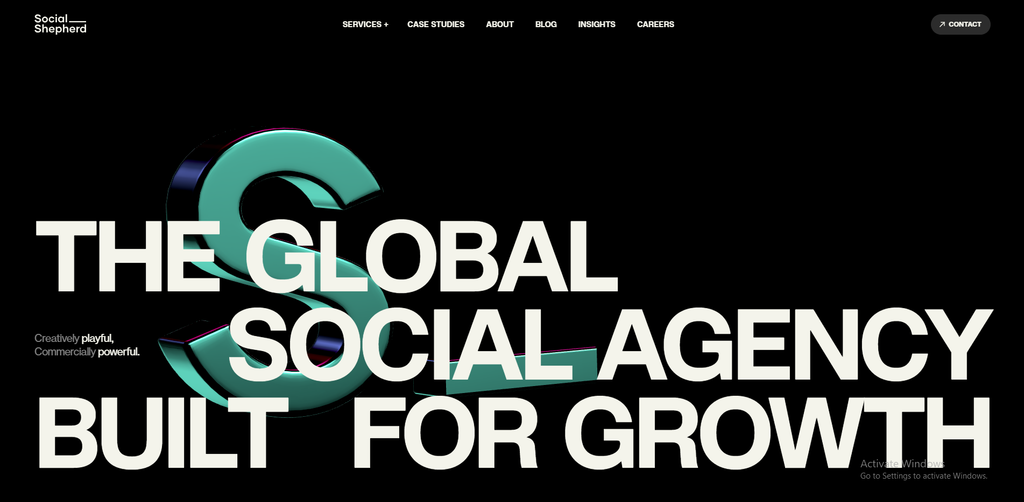
    Based in Bath and London, the agency handles organic social media, paid campaigns, influencer marketing and creative production. It also works with TikTok Shop, helping brands manage everything from creator partnerships to social commerce.

    Its client work includes brands such as UNIQLO and easyJet Holidays. For eCommerce businesses looking to connect social content with actual sales, this is an agency worth checking out.

    Best for: eCommerce and consumer brands looking for paid social, creative production and influencer campaigns.

    1. Spin Brands
    Spin Brands

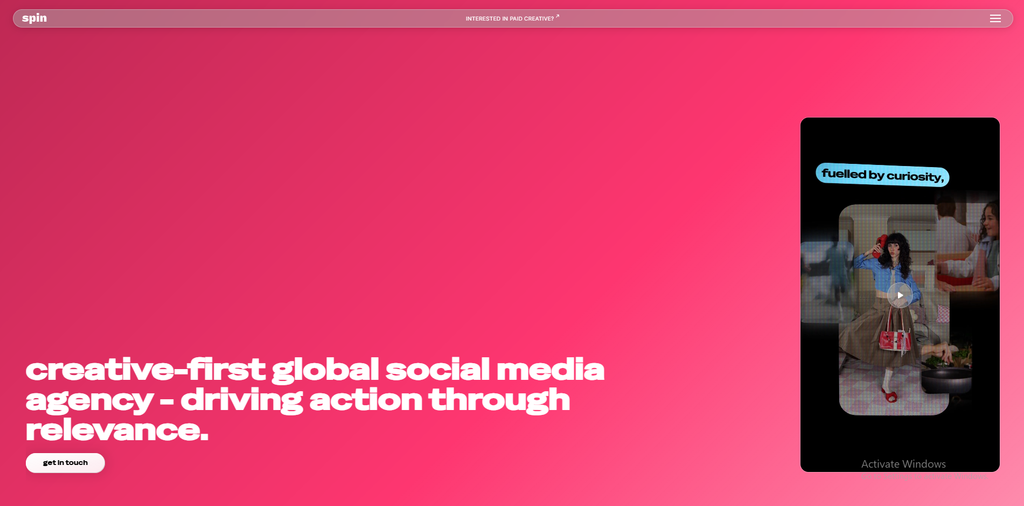
    Some brands have plenty to say but struggle to make anyone listen. Spin Brands takes a social-first approach to solving that problem, with a focus on content that feels relevant to the audience and fits the platform it’s published on.

    The London-born agency works across social strategy, creative production, paid media, influencer marketing and community management. Its portfolio includes brands such as Five Guys, Red Bull, Diageo and Fortnum & Mason.

    Its work also covers global campaigns, which makes it an interesting option for businesses managing audiences across different markets.

    Best for: Established brands looking for creative social campaigns and international audience reach.

    1. We Are Social
    We are Social

    If you’ve ever wondered how big brands become part of online conversations, We Are Social is an agency worth looking at.

    With a global team of more than 1,200 people across four continents, the agency focuses on socially led creative campaigns. It studies how people interact online, what communities care about and how brands can become part of those conversations without sounding like another advertisement.

    Its work includes campaigns for Adidas and other international brands. The agency is particularly relevant to businesses that want social media to play a bigger role in their brand communication.

    Best for: Large businesses and international brands looking for global social media campaigns.

    1. The Goat Agency
    Goat

    Influencer marketing has moved well beyond sending free products to creators and hoping they post about them. The Goat Agency approaches it as a much more structured marketing activity.

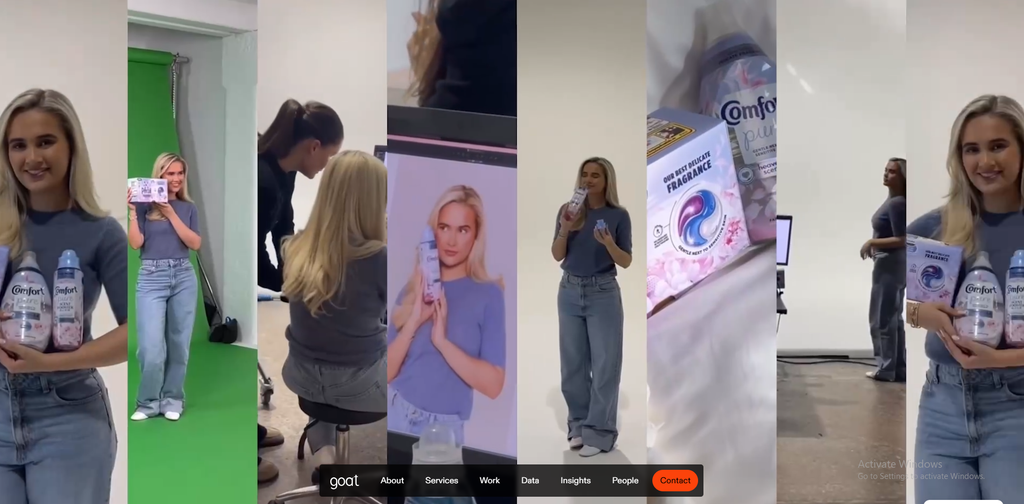
    Founded in London, Goat works across influencer discovery, campaign strategy, content production, paid media and social commerce. Its campaigns connect brands with creators across platforms such as TikTok, Instagram and YouTube.

    The agency also uses its proprietary technology, IBEX, to support creator discovery and campaign intelligence. With operations spanning multiple international markets, it is a strong option for brands planning influencer campaigns at scale.

    Best for: Brands looking for large-scale influencer campaigns and creator partnerships.

    1. Socially Powerful
    Socially Powerful

    Finding an influencer with a million followers isn’t particularly difficult. Finding someone whose audience actually cares about what your brand sells is where the work begins.

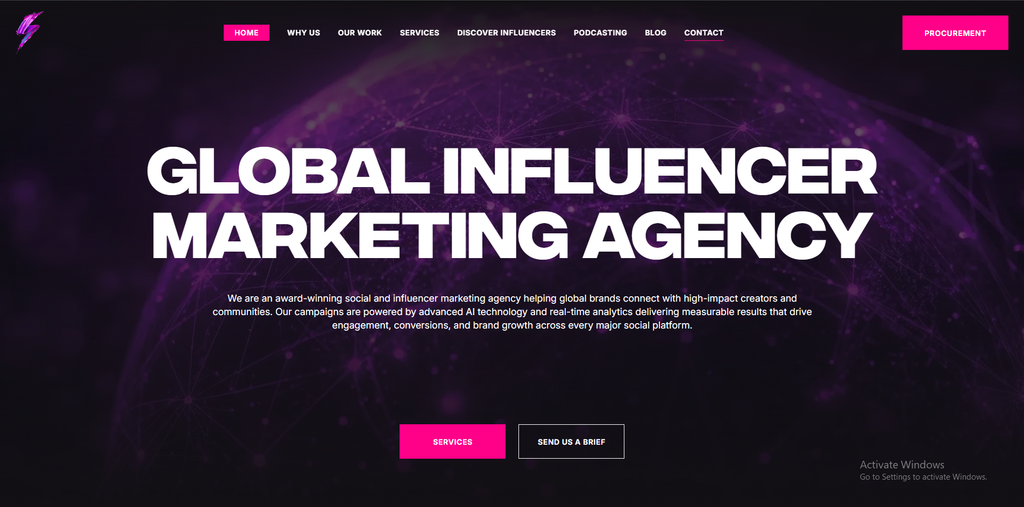
    Socially Powerful focuses on influencer marketing, paid social advertising, social video production and community management. The London-founded agency also has its own influencer marketing platform, ARIA, which helps brands discover and evaluate creators.

    One aspect worth noting is its combination of influencer content and paid advertising. Brands can use creator-generated content in paid campaigns to reach audiences beyond the creator’s existing followers.

    Best for: Businesses looking to combine influencer partnerships with paid social and performance marketing.

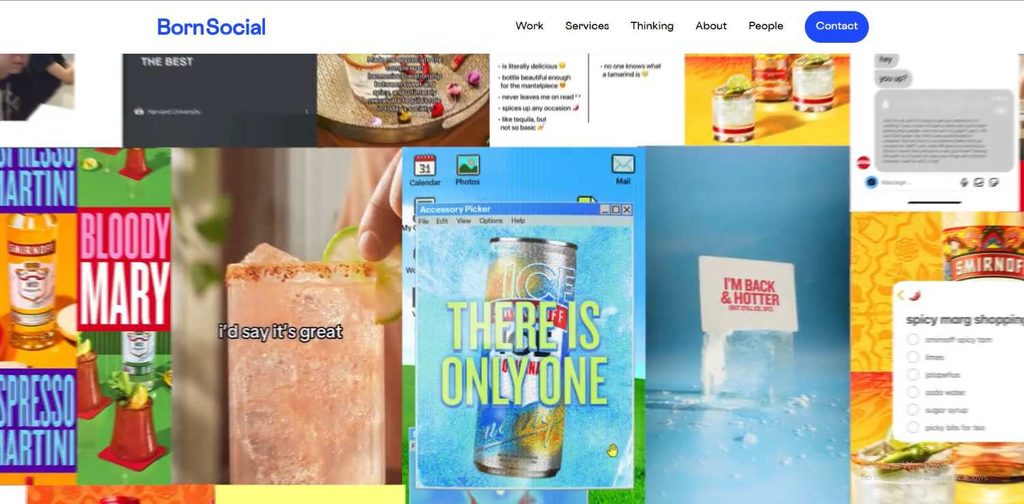
    1. Born Social
    Born Social

    A brand’s social media shouldn’t feel like a completely different business from the one customers experience elsewhere. Born Social focuses on bringing brand identity and social media together.

    Based in London, the agency works across social strategy, creative, communications planning and digital marketing. Its client portfolio includes brands such as Guinness, Nando’s, Primark, Tinder and Greenpeace.

    Its work is particularly relevant to businesses that want a consistent brand voice across social platforms while still creating content suited to each audience.

    Best for: Consumer brands looking for social-first brand strategy and creative campaigns.

    1. Brave Bison

    Social media has become a serious part of the entertainment business. People follow creators, watch branded videos and spend hours engaging with content that doesn’t always look like traditional advertising.

    Brave Bison works across social and influencer marketing, digital content, performance media and technology. Its social division includes SocialChain, which has worked with major consumer brands. The wider business also covers content monetisation and fan engagement.

    For brands that want to build a stronger connection with online communities, this combination of content, creators and media is worth considering.

    Best for: Brands looking for social-first campaigns, creator partnerships and digital content distribution.

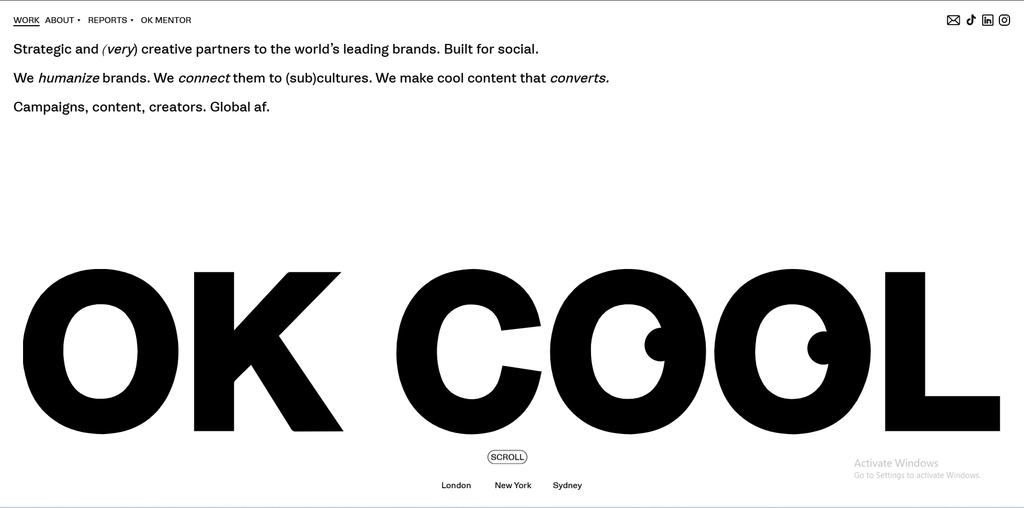
    1. OK COOL

    If your target audience spends most of its time on TikTok, Instagram and other social platforms, creating content that feels natural there should be a priority.

    OK COOL is a creative agency specialising in social. Its work brings together cultural research, creative strategy, content production, influencer partnerships and paid marketing.

    The agency also works with platforms such as TikTok, Instagram, Facebook and Twitch. Rather than treating every platform as another place to publish the same campaign, it focuses on understanding the culture and language of each one.

    Best for: Brands targeting younger audiences through TikTok, social-first creative and influencer campaigns.

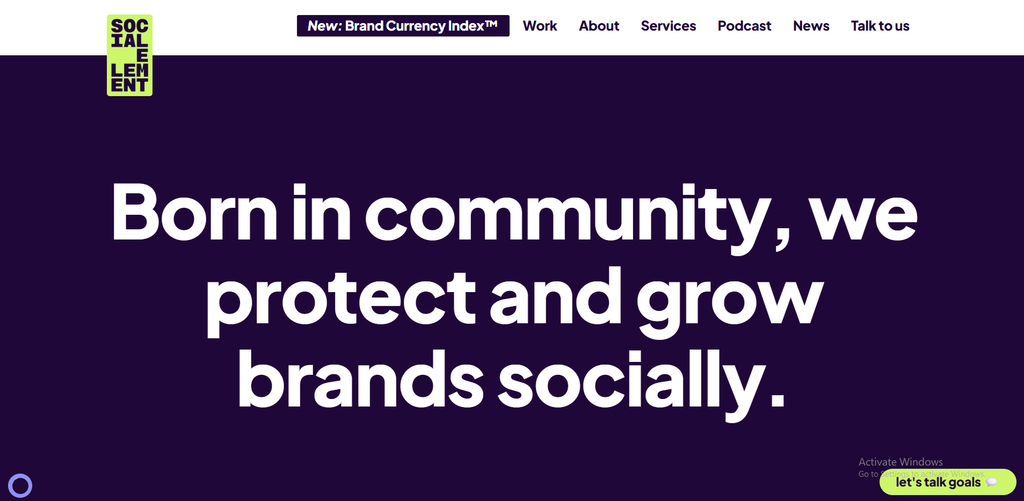
    1. The Social Element

    A brand’s social media presence doesn’t stop once a post goes live. Someone still needs to respond to comments, handle customer complaints and keep conversations moving.

    The Social Element has been working in social media since 2002, with community management at the centre of its services. Its work also covers social intelligence, social strategy, influencer marketing, paid social and brand protection.

    The agency operates across 30 countries and 41 languages, making it particularly relevant to businesses managing large or international online communities.

    Best for: International brands that need ongoing community management, social listening and online reputation support.

    1. 1000heads
    1000 heads

    Social listening can tell a business things that traditional campaign reports might miss. What are customers saying about the brand? Which conversations are gaining attention? What do people actually think about a product?

    1000heads uses social data, analytics, technology and creative strategy to help brands understand and respond to online conversations. Its services include social intelligence, communication planning, conversational creative and influencer-related activity.

    The agency works with international brands, including Google and SAP. Its data-led approach makes it a useful option for businesses that want audience insights to play a bigger role in their social media decisions.

    Best for: Established brands looking for social listening, audience research and data-led social strategies.

    Choosing a Social Media Marketing Agency: What Should You Actually Check?

    Now comes the part that deserves a little more attention.

    You might have shortlisted three or four agencies already. Their websites look good, their portfolios are impressive, and their service lists seem almost identical. So, how do you decide?

    Forget the sales pitch for a moment. Ask these four questions.

    1. Do they know how each platform works?

    Being good at Instagram doesn’t automatically make an agency good at LinkedIn or TikTok.

    People use these platforms differently. A B2B company might get better results from LinkedIn thought leadership, while a fashion brand could find more opportunities through Instagram Reels and TikTok videos.

    Ask the agency why it recommends certain platforms for your business. If the answer is simply that everyone needs to be on all of them, that’s worth questioning.

    1. Are they comfortable with both organic and paid social?

    Organic content takes time to build momentum. Paid advertising can help you reach specific audiences without waiting for that organic growth.

    Ideally, the agency should understand both. Ask whether its services include Meta Ads management, TikTok advertising, retargeting and A/B testing. More importantly, find out how it decides when to use each approach.

    1. What happens after someone clicks your advertisement?

    This is where the technical side of social media marketing comes in.

    An agency should understand how to use Meta Pixel, Conversions API, Google Analytics 4 and UTM tracking to measure what happens after someone interacts with a campaign.

    Pay attention to these numbers:

    • CTR (Click-through rate): How many people clicked your ad after seeing it.
    • CPL (Cost per lead): How much it costs to generate a potential customer.
    • Conversion rate: How many visitors completed the action you wanted.
    • ROAS (Return on ad spend): How much revenue your advertising generated for every pound spent.

    If the monthly report only tells you how many people liked your posts, ask for a better one.

    1. Can they show you work that actually delivered?

    A beautifully designed campaign is nice to look at. But did it generate enquiries? Did website traffic increase? Did the business see more sales?

    Ask for case studies that are relevant to your industry. Find out what the campaign looked like before the agency got involved and what changed afterwards.

    Also, don’t be afraid to ask about campaigns that didn’t perform well. What did the agency learn? What did it change? Those answers can tell you quite a bit about how it approaches its work.

    How Much Does a Social Media Agency Cost in the UK?

    This is probably the question you’ll want answered before booking that first consultation.

    Unfortunately, there’s no fixed price. A business looking for three weekly Instagram posts will have a very different budget from an eCommerce brand running video campaigns, influencer partnerships and paid advertisements across several platforms.

    The price usually depends on the number of platforms, content frequency, video production, community management, advertising support and reporting requirements.

    There’s another detail worth checking: the agency’s fee and your advertising budget are not necessarily the same thing.

    For example, you might pay an agency to manage your Meta Ads campaigns while separately allocating money to Meta for the advertisements themselves. Make sure both costs are clearly mentioned in the proposal.

    Before signing anything, ask what’s included. Are reels part of the package? Who responds to comments and messages? Is content production charged separately? How often will you receive performance reports?

    These aren’t small details. They can change the actual cost of working with an agency quite considerably.

    Final Thoughts

    Finding the right social media agency takes a little more effort than comparing websites and service lists. And that’s probably a good thing. You’re trusting someone else with a part of your business that customers see almost every day.

    Take your time. Look through their previous work, ask how they measure results and make sure their approach makes sense for your goals. A smaller agency that understands your audience might be a much better fit than a big name with an impressive client list.

    And if you’re looking for an agency that can bring social media, paid advertising, content and wider digital marketing services together, Xparro is another name worth considering.

  • Best Digital Marketing Agencies in UK for 2026

    Best Digital Marketing Agencies in UK for 2026

    Hiring a digital marketing agency can get expensive pretty quickly. And when every agency claims to deliver more traffic, better leads, and faster growth, figuring out which one is actually worth your money isn’t easy.

    Some are brilliant at SEO. Others focus on paid ads, creative campaigns, or website development. The trick is finding one that fits your business, not one that simply has the longest list of services.

    Here are seven digital marketing agencies worth looking into, what they bring to the table, and what you should check before making a decision.

    Key Takeaways

    • The right agency depends on what your business needs help with, not how many services it offers.
    • Ask to see campaign results that go beyond traffic and social media engagement.
    • A website that attracts visitors but fails to convert them needs more than another marketing campaign.
    • Check the pricing, deliverables, and reporting process before signing a contract.

    Why Are UK Businesses Investing in Digital Marketing?

    The amount of money going into online advertising says quite a bit about how businesses are competing for attention.

    According to IAB UK’s Digital Adspend Study, UK digital advertising expenditure reached £40.5 billion in 2025, marking a 10% increase from the previous year. Search advertising alone accounted for £17.9 billion, while social media advertising reached £11.5 billion.

    Of course, that doesn’t mean every business needs to spend more. It means there’s a lot of competition for the same audiences, and throwing money at marketing without a clear plan can get expensive.

    Each situation calls for a different approach. That’s why choosing an agency based on your actual problem makes far more sense than picking one because its website lists twenty different services.

    7 Digital Marketing Agencies in the UK Worth Exploring

    The following agencies offer different services and approaches to digital marketing. This isn’t a ranking of the UK’s best agencies. It’s a starting point for businesses that want to compare their options and find a team that fits their requirements.

    1. Xparro
    Best Digital Marketing Agency in UK

    A potential fit for businesses open to working with an international digital marketing agency.

    Xparro is a Dubai-based digital marketing agency offering services such as SEO, content marketing, paid advertising, social media marketing, and website design.

    Managing these services separately can get messy, especially when your website, content and advertising campaigns aren’t working towards the same goal. Xparro offers a range of services that businesses can explore when looking to build a more connected digital marketing strategy.

    For UK businesses, the key is finding an approach that fits the local market. That means understanding British search behaviour, targeting relevant audiences, and creating website content that speaks to potential customers in the UK.

    Before you approach them, ask: How would you tailor your marketing strategy to the UK market, and what results would you track to measure progress?

    1. Hallam
    Hallam

    A potential fit for businesses that need a broader marketing strategy.

    Hallam offers digital marketing services covering SEO, paid media, and digital strategy.

    One reason to explore an agency with a broad service offering is that marketing channels rarely work in isolation. Your SEO campaign might attract people researching a product, while paid advertising reaches those ready to buy. If the two teams aren’t working towards the same goals, opportunities can slip through the cracks.

    Hallam is worth considering if you want to look at your marketing as a whole rather than manage every channel separately.

    Before you approach them, ask: How would you bring our organic and paid campaigns together, and how would we measure their contribution to sales?

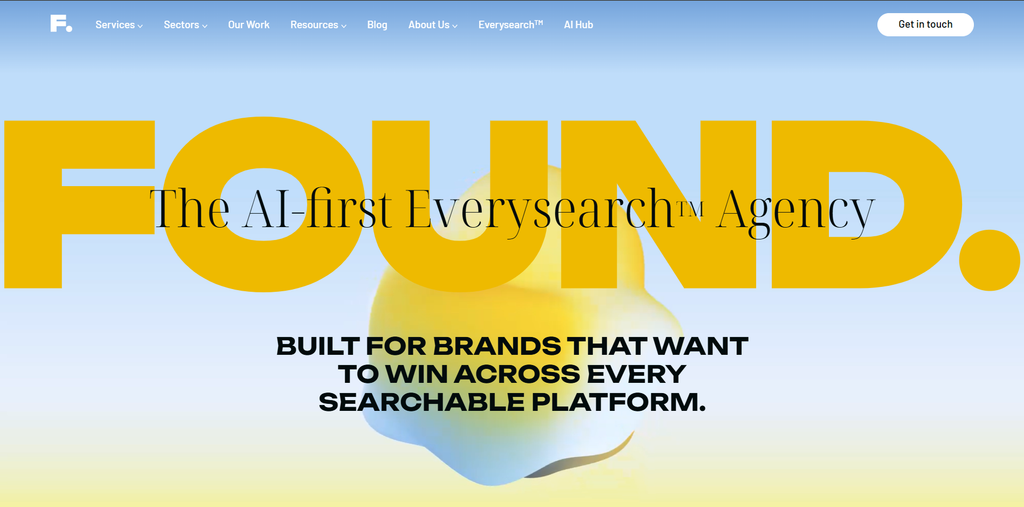
    1. Found
    Found

    A potential fit for businesses focused on search and customer acquisition.

    Found works across performance marketing and digital channels, including search.

    For businesses that rely on online discovery, search marketing can be a major part of the customer acquisition process. But there’s a difference between appearing in search results and attracting people who are genuinely interested in buying.

    A campaign can generate plenty of clicks and still struggle to deliver meaningful returns. The useful question is whether the agency can identify the searches, audiences, and landing pages that bring in valuable customers.

    Before you approach them, ask: How do you work out whether increased search traffic is actually contributing to business growth?

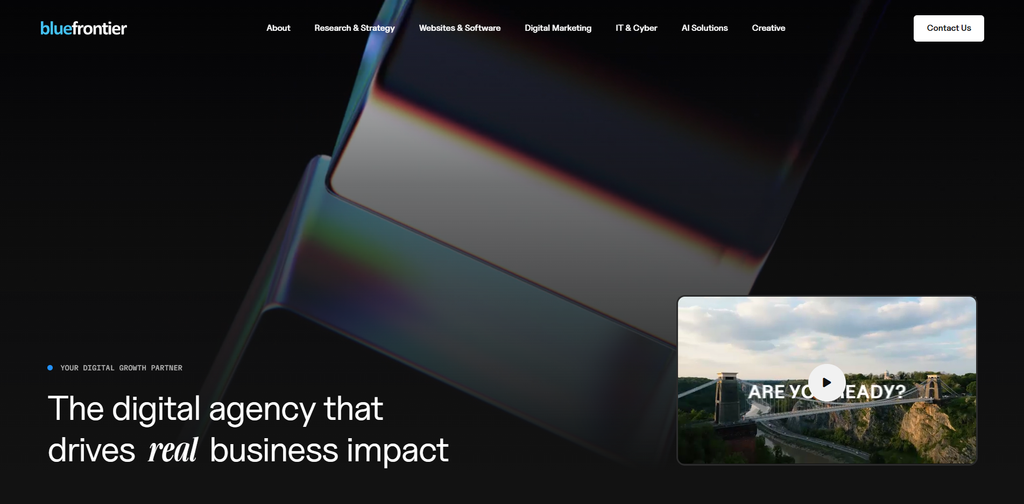
    1. Blue Frontier
    Blue Frontier

    A potential fit for businesses that need marketing and website support.

    Blue Frontier offers digital marketing alongside website-related services.

    Sometimes, the problem isn’t getting people to your website. It’s what happens after they arrive.

    A page might take too long to load. Important information could be buried halfway down the page, or visitors might struggle to find the contact form. Spending more on advertising won’t necessarily fix any of these issues.

    An agency with marketing and technical capabilities may be useful when your website needs attention as part of the wider campaign.

    Before you approach them, ask: Can you help identify technical problems and website changes that could be affecting conversions?

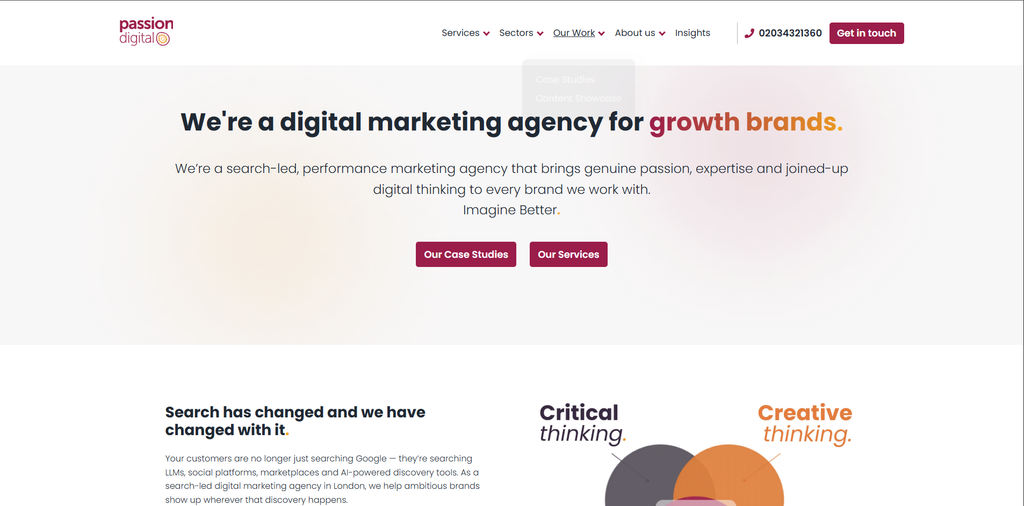
    1. Passion Digital
    Passion Digital

    A potential fit for brands that want creative campaigns alongside performance marketing.

    Passion Digital offers services including SEO, paid media, and social media marketing.

    Getting people to notice your brand is one thing. Giving them a reason to become customers is another.

    A social media campaign might generate plenty of likes and shares, but those numbers don’t tell you whether anyone visited your website, made an enquiry or bought something. That doesn’t make engagement useless. It simply needs to be viewed alongside the results that matter to the business.

    If you’re looking for an agency that works across creative and performance-led activities, ask how it connects the two.

    Before you approach them, ask: What metrics would you use to judge whether a creative campaign has delivered more than engagement?

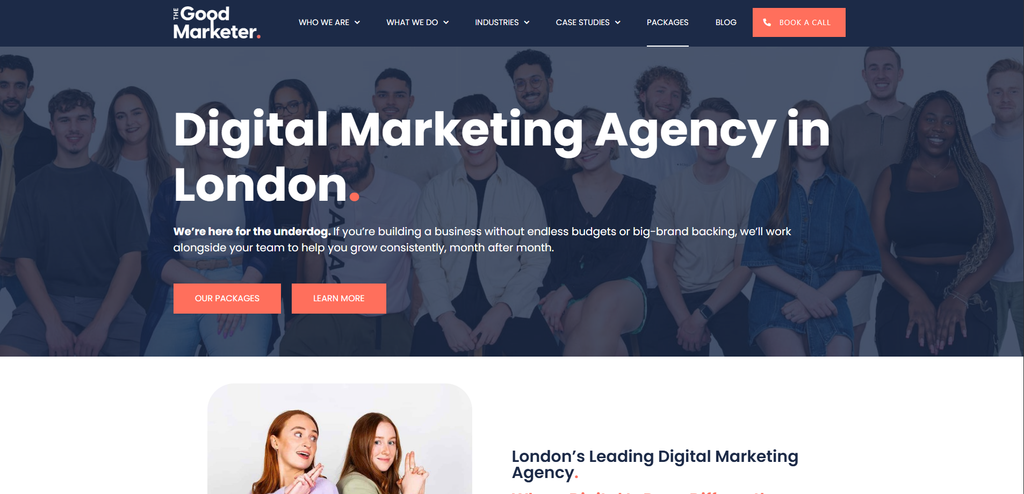
    1. The Good Marketer
    The Good Marketer

    A potential fit for small businesses that need to prioritize their marketing budget.

    The Good Marketer works with businesses on services such as SEO, paid advertising and social media.

    For a smaller company, bringing in an agency can provide access to marketing skills without hiring an entire in-house team. The challenge is deciding where to spend the money first.

    Let’s say your business has a limited budget and most of your potential customers use Google to find services like yours. Investing in search visibility might make more sense than trying to maintain several social media campaigns at once.

    There isn’t one right answer for every business. What matters is whether the agency can explain its priorities and adjust the plan as results come in.

    Before you approach them, ask: If you had to choose just two marketing priorities for our first three months, what would they be?

    1. Bird Marketing
    Bird Marketing

    A potential fit for businesses looking to improve both their marketing and website experience.

    Bird Marketing offers digital marketing and website services, including SEO and paid advertising.

    A website redesign can be tempting when enquiries are slow, but a fresh look doesn’t automatically solve the problem. Sometimes the issue is the checkout process. Sometimes visitors don’t understand what the business offers, or the page doesn’t make the next step clear.

    Conversion rate optimisation (CRO) looks at these problems and tests ways to improve the number of visitors who take action.

    For a business investing heavily in traffic, even small improvements to a landing page can be worth investigating.

    Before you approach them, ask: How do you identify conversion problems, and how do you test whether your proposed changes work?

    How to Choose the Right Digital Marketing Agency

    Once you’ve shortlisted a few agencies, the next step is figuring out which one deserves your budget. Their websites might all look convincing, so it’s worth digging a little deeper.

    Be Clear About What You Want to Fix

    Before booking calls with agencies, take a moment to work out where things are going wrong.

    Write down the main issue and explain it to the agencies you’re considering. Their responses should give you an idea of how they think. A good proposal will address your specific situation rather than recommend the same collection of services to every prospective client.

    Look Beyond the Impressive Numbers

    Case studies are useful, but don’t stop at the headline result.

    If an agency says it increased organic traffic by 150%, ask what happened to enquiries and sales. Was the growth sustained? Did the traffic come from relevant searches? Was the website already receiving significant traffic before the campaign began?

    The aim isn’t to find a case study with the biggest percentage. It’s to understand what the agency achieved and whether that experience is relevant to your business.

    Find Out What’s Included in the Fee

    Two agencies can quote very different prices for what initially sounds like the same service.

    One might include technical SEO, content creation and monthly reporting. Another might cover strategy and campaign management but charge separately for design, development or additional content.

    Ask for an itemised proposal. Check whether advertising spend is separate from management fees, whether there are extra charges, and how long you’re expected to stay under contract.

    Make Sure You Understand the Reporting

    You shouldn’t have to guess whether your marketing is working.

    Before signing a contract, agree on the metrics you’ll use to evaluate performance. Depending on your goals, these might include qualified leads, organic enquiries, conversion rate, CPA, or revenue attributed to paid campaigns.

    Ask how often you’ll receive reports and whether someone will explain the results to you. A report full of charts isn’t particularly useful if you can’t tell what changed or what the agency plans to do next.

    How Much Does a Digital Marketing Agency Cost in the UK?

    There’s no standard price that works for every business. A local company looking for SEO support won’t have the same requirements as an ecommerce brand running campaigns across multiple channels.

    The final quote will depend on the scope of work, the competitiveness of your market, the amount of content required, and whether your website needs technical improvements.

    When comparing proposals, check what’s included in the following areas:

    • Agency fees: Strategy, campaign management, and specialist support.
    • Advertising budget: Money paid directly to platforms such as Google or Meta.
    • Content and creative work: Blog posts, landing pages, graphics and campaign assets.
    • Technical work: Website development, analytics setup and conversion improvements.
    • Reporting: Performance reviews, analytics and recommendations for the next stage.

    Don’t choose an agency simply because it offers the lowest price. At the same time, paying more doesn’t automatically mean you’ll get better results.

    Look at what the agency plans to do, how it will measure progress, and whether the proposed work makes sense for your budget. If the quote is vague, ask for a clearer breakdown before making a decision.

    Final Thoughts

    Choosing between digital marketing agencies in the UK takes a little more than comparing websites and reading a few testimonials.

    Remember that a good agency relationship isn’t built on promises of overnight growth. It’s built on clear expectations, honest reporting and a willingness to change direction when something isn’t working.

    If you’re considering SEO, paid advertising, content marketing or a combination of digital services for the UK market, get in touch with Xparro to discuss your requirements. Start with what your business needs. The agency you choose should be able to explain how it plans to help you get there.

    FAQs

    How much does it cost to hire a digital marketing agency in the UK?

    It depends on what you need. SEO, paid ads, and website development all come with different costs. Ask for a clear quote so you know exactly where your money is going.

    How do I know if a digital marketing agency is right for my business?

    Look at the work they’ve done for other businesses, ask how they measure results, and see if their approach makes sense for your goals. Don’t just go by big promises.

    Can I hire a digital marketing agency outside the UK?

    Of course! You can work with an agency based elsewhere, as long as it understands your UK audience, knows the local market, and can tailor its strategy to your customers.

  • Content Marketing Strategies: A Complete Guide

    Content Marketing Strategies: A Complete Guide

    Publishing three blogs a week sounds productive. But if those blogs are not bringing the right people to your website, answering real buying questions or contributing to enquiries, what are they actually doing?

    That is the problem many businesses run into with content marketing strategies. There is plenty being published, but very little of it is connected.

    For UK businesses, the challenge is even bigger. People move between Google, social media, video and AI-powered search before they decide what to click, trust or buy. Ofcom reports that Google Search is used by 82% of UK adults, while UK adults spend an average of 4.5 hours online each day.

    The answer is not simply to publish more. It is to build a content system that knows who it is speaking to, what they are looking for and where that content needs to take them next.

    Key Takeaways

    • How to connect content production to actual business goals instead of filling a monthly publishing calendar.
    • How to build a blog content strategy around search intent, customer problems and topic relevance.
    • How to create a content strategy for your website that supports people from their first search to the final enquiry.
    • How to measure content using meaningful metrics such as qualified traffic, conversions and revenue influence.

    Start With What the Business Needs

    One of the easiest ways to derail a content strategy is to start with a keyword tool. You find a keyword with decent search volume, add it to the content calendar and hand it to a writer. Repeat. After six months, you have 30 new articles. Nobody can quite explain what they have achieved.

    Start with the business objective instead.

    If the company needs more leads, content should help capture searches from people who have a genuine problem to solve. If the priority is entering the UK market, the content needs to establish relevance for UK audiences and topics. 

    If sales teams keep answering the same questions, those questions probably belong on the website.

    A simple framework helps:

    Business goalWhat content should doKPI to watch
    Generate leadsTarget high-intent searchesOrganic leads
    Build visibilityEstablish topical relevanceNon-branded impressions
    Support salesAnswer objections and concernsAssisted conversions
    Enter the UK marketBuild UK-specific topical coverageUK organic visibility
    Increase enquiriesReach decision-stage usersConversion rate

    The important bit is the connection between the columns.

    Traffic on its own does not pay the bills.

    A page bringing 1,000 relevant visitors who actually enquire can be far more valuable than one attracting 10,000 visitors who leave after reading two paragraphs.

    There is a measurement problem across the wider B2B content industry, too. Content Marketing Institute research found that 56% of B2B marketers struggle with attributing ROI to content, while the same proportion report difficulty tracking customer journeys.

    So decide what success looks like before the content gets produced.

    Build Your Blog Content Strategy Around Why People Search

    Search volume tells you how many people may be searching for something. It does not tell you what they expect to find. That distinction can completely change an article.

    Take the SEO industry as an example. Someone searching “what is SEO” is probably still learning. Someone searching “SEO strategy for small business” has moved further along and wants something practical.

    Then you have “SEO agency London”. That person is not looking for another beginner’s definition of SEO. They are looking at providers. And “SEO agency pricing UK” suggests an even stronger commercial consideration. Same subject. Completely different intent.

    Your blog content strategy should reflect that.

    A useful intent structure

    Informational intent covers definitions, guides, explanations and how-to content. Commercial investigation covers comparisons, pricing, reviews, alternatives and “best” searches. Transactional intent captures searches where the user is closer to taking action. Navigational intent relates to searches for a particular company, service or website.

    Instead of producing 20 loosely related articles, build a connected topic cluster.

    For example:

    Pillar: SEO Services in the UK

    Supporting content:

    • What Is SEO?
    • Local SEO for UK Businesses
    • Technical SEO Checklist
    • SEO Pricing in the UK
    • SEO vs PPC
    • How to Choose an SEO Agency

    The supporting articles answer specific questions. Internal links then guide readers towards deeper information and relevant commercial pages.

    Now your blog is doing more than collecting organic traffic. It is helping people move through the subject, and potentially towards a purchase.

    Give Every Website Page a Job

    A blog should not feel like a separate website living inside your website. Someone might discover your business through an educational article today, return through a case study next week and finally visit your service page when they are ready to enquire.

    If those pages have no logical connection, the journey stops.  Your content strategy for your website should give different content types different jobs.

    Awareness content

    This is where you meet people who know they have a problem but may not know what the solution looks like.

    Examples include:

    • Why Is My Website Traffic Falling?
    • How Does Local SEO Work?
    • What Is Generative SEO?

    The next step does not need to be “Book a call”.

    A related guide, checklist or deeper article might make more sense.

    Consideration content

    Now the reader is comparing options.

    Think:

    • SEO vs PPC for UK Businesses
    • How Much Does SEO Cost in the UK?
    • In-House SEO vs SEO Agency

    This is where case studies, consultations and service pages can naturally enter the journey.

    Decision content

    Here, people want evidence.

    They want to know what you actually do, how you work, what they receive and whether you can solve their particular problem.

    That means service pages, case studies, industry pages, pricing information, FAQs and strong proof points all matter. And no, every page does not need the same giant “Contact Us” button.

    The right CTA depends on what the visitor is trying to do.

    Stop Treating Google as the Only Destination

    Google remains hugely important in the UK. Ofcom reports that around 3 billion searches are made on Google each month in the UK. At the same time, search behaviour is changing as AI becomes part of the discovery process. Ofcom reported that around 30% of searches were showing AI Overviews, while ChatGPT recorded 1.8 billion UK visits between January and August 2025.

    That does not mean SEO suddenly stops mattering. It means good content has to work harder.

    An article should be useful enough to rank, clear enough to be understood, specific enough to be referenced and interesting enough to be shared. And once you have created something genuinely useful, do not let it sit on your blog and collect digital dust.

    One research-led article could become:

    • A LinkedIn carousel
    • Several short social posts
    • A newsletter
    • A video script
    • A downloadable checklist
    • Sales enablement material
    • A webinar topic

    The research stays the same. The format changes.

    That matters particularly for B2B brands. CMI’s 2025 research found that 89% of B2B marketers use organic social media to distribute content, while 84% use corporate blogs and 71% use email newsletters. Video was considered the most effective content format by 58% of respondents.

    So instead of posting “We’ve published a new blog. Read it here.” Take the strongest idea from the article and build something useful around it. That is distribution with a purpose.

    Put Your Own Expertise Into the Content

    There is already enough generic content online. Another article explaining “what SEO is” is unlikely to make anyone remember your brand. The interesting material is often sitting inside your business.

    Your sales team knows what prospects keep asking. Your customer service team knows where people get stuck. Your account managers know which objections come up repeatedly. Your campaign reports show what worked, and what absolutely did not.

    Use that information.

    Suppose your sales team keeps hearing “How long does SEO take to work?” There is your article. But don’t just write the usual answer about “SEO being a long-term strategy”.

    Explain what affects the timeline. Talk about competition, technical problems, content quality, authority, starting visibility and the type of keywords being targeted. Explain what should actually be measured during the first three, six or twelve months.

    Suddenly, the article has a point of view based on real experience. That is much harder for competitors to copy. 

    Measure Whether Content Is Actually Doing Its Job

    Pageviews are nice. They are also very easy to celebrate when they mean very little. A stronger content measurement framework looks at four levels.

    • Visibility: impressions, rankings, organic reach and branded search.
    • Engagement: engaged sessions, returning visitors, scroll behaviour and interactions.
    • Conversion: enquiries, downloads, demo requests and conversion rate.
    • Revenue: assisted conversions, influenced pipeline and revenue connected to content.

    Imagine an article receives 5,000 organic visits but generates no qualified enquiries. The obvious reaction might be, “We need more traffic.” Maybe not. The real issue could be the search intent.

    Perhaps the article attracts students, early-stage researchers or people outside your target market. Perhaps there is no logical next step. Perhaps the article answers the question so completely that there is no reason to explore the business further.

    Look at the whole journey.

    A blog might generate only a handful of direct leads but introduce prospects who later return through a service page and convert. That is why content should be assessed at the cluster and journey level, not just URL by URL.

    Let the Strategy Change When the Data Changes

    A content strategy should not be carved in stone on 1 January. Markets move, competitors publish, search results change, customers start asking different questions, some of your best-performing articles will eventually lose momentum, too.

    Review your content regularly and look for three things:

    What is growing? Double down on topics already attracting relevant audiences.

    What is missing? Find important questions your prospects are asking that your website does not answer.

    What is declining? Refresh, consolidate or replace content that has lost relevance.

    This is particularly important because only 29% of B2B marketers in CMI’s research rated their organisation’s content marketing strategy as extremely or very effective.

    The lesson is not “publish more”. Quite often, it is the opposite. Make fewer, better decisions about what deserves to be published.

    Final Thoughts

    Good content marketing strategies are not built by filling a spreadsheet with blog titles. They start with the business, move through audience intent and end with measurable outcomes.

    For UK businesses, that means creating content around the questions people actually ask, building logical connections between blogs and commercial pages, using genuine expertise instead of recycled information, and distributing useful ideas beyond the website.

    Your blog content strategy should bring the right people in. Your content strategy for your website should give them somewhere useful to go next. And your measurement framework should tell you whether any of it is contributing to the business. That is the difference between having a content library and having a content engine.

    If your website is already producing content but the results are not matching the effort, Xparro can help turn disconnected articles into a structured, SEO-led content strategy built around your audience, commercial goals and the UK market.

    FAQs

    What is a content marketing strategy?

    A content marketing strategy is a plan for creating and distributing content that attracts the right audience and supports specific business goals, such as traffic, leads or sales.

    How do I create a blog content strategy?

    Start with your business goals and audience, then research search intent, map topics to the buyer journey and build connected content clusters. Track performance and update the plan as results change.

    Why is a content strategy important for a website?

    It gives each page a clear purpose, connects informational content with commercial pages and helps visitors move naturally from discovering a problem to considering and choosing a solution.